The sisters ‘Ana’ and ‘Farida’ have not been attending school for a long time. This is because their parents are facing financial difficulties, which are affecting all members of the family in different ways. To help their family, the girls work. This also means they cannot take part in activities with other children and have no friends. They have become shy and lack self-confidence.
A plan for the family
The local project that provides support to refugee children notes the situation of Ana and Farida. One of the staff members explains how the project is helping the sisters: “One of our social workers visited the family at home and told them about our services. The social worker then drew up a plan to help both the parents and the children.
Loves reading
The girls were then shown round our centre, introduced to the staff and told about the activities we offer. They said that in their spare time, when they weren’t working, they’d like to go to the library to borrow books. “We love reading!” they said.
And that’s how it happened. Ana and Farida enjoyed spending time in the library. They met other children there and benefited greatly from the books they read. They began to build a relationship of trust with our staff. They told them about their situation and discovered their talents. The social worker kept in touch with the parents, offered support and gave advice on the home situation and positive parenting.
Back to school
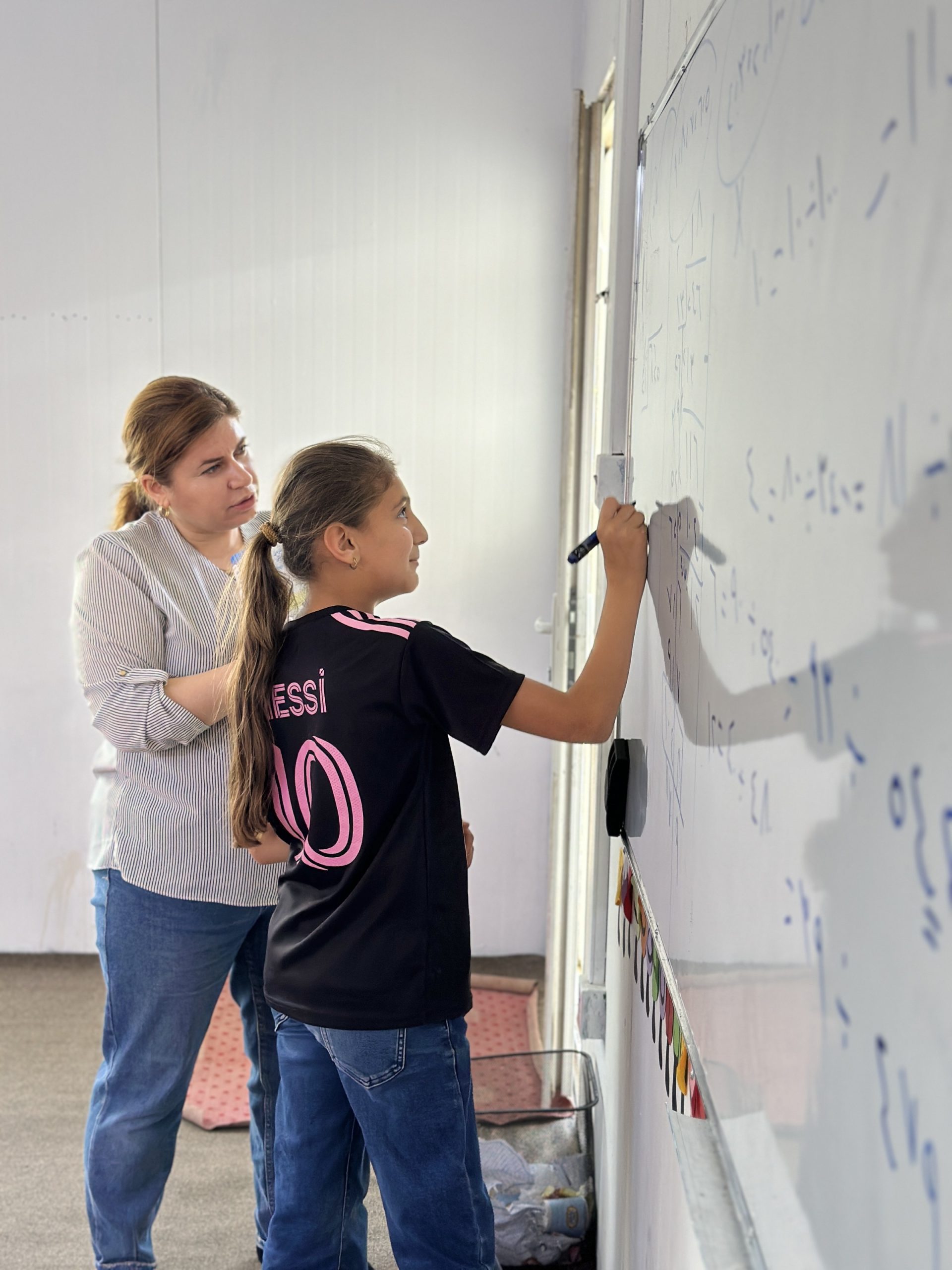
Our worker and the parents then agreed that the girls would return to school. Our social worker helped them with the enrolment process. Ana and Farida now enjoy going to school very much: they are in Year 9. Meanwhile, they still come to the centre every week and the support plan for the family is continuing.”
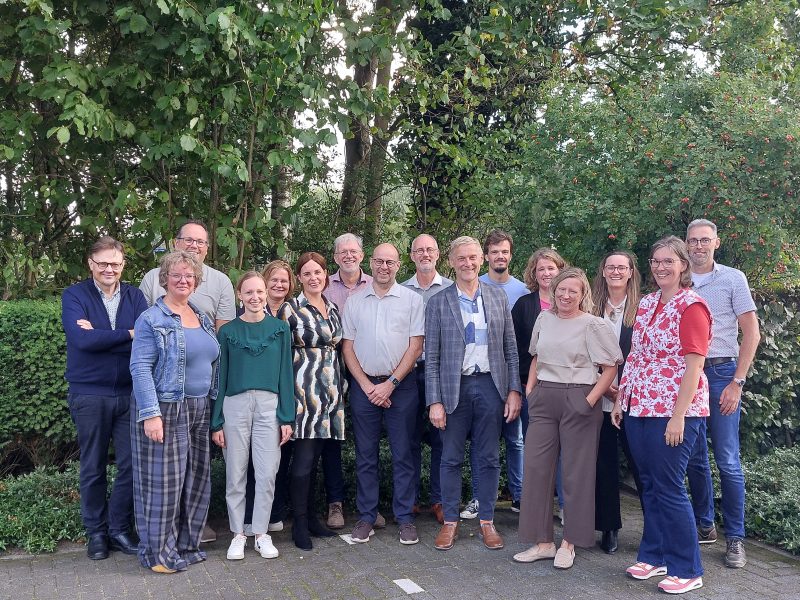
Members of the Diaconate Committee support aid for refugee children such as Ana and Farida.
To protect the girls’ privacy, the names Ana and Farida are fictitious and they do not appear in the photograph themselves.